
Low DCR Flat Wire Design
Flat copper wire winding is reviewed against DCR, AC loss, thermal path and DC bias requirements. Final loss and temperature rise must be confirmed by sample test data.
ProMagTech manufactures SST and medium-frequency transformers, custom flat wire inductors, EI/EE high-frequency transformers, PFC inductors and EMI filter magnetics for EV chargers, energy storage PCS, solar inverters and industrial power converters.
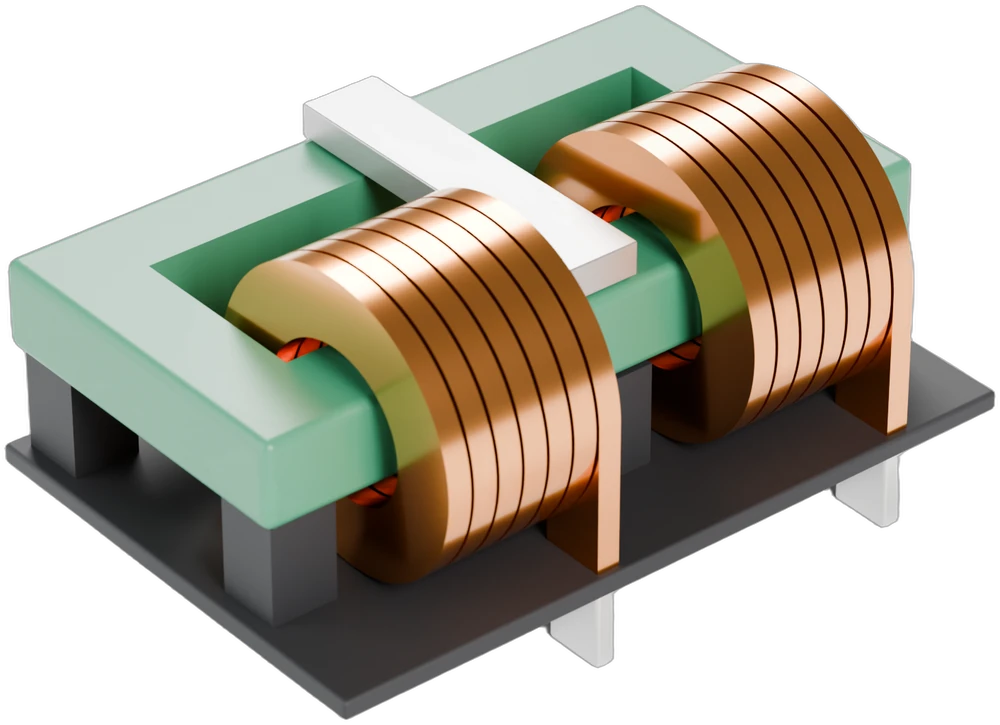
Use the product family that matches your topology, power level, current path and insulation structure. Final electrical and thermal values remain project-specific.
Large-power transformer assemblies with insulation, busbar and mounting structures reviewed together.
02Ferrite-core transformer structures for switching power and isolated conversion stages.
03High-frequency EMI magnetics with repeatable winding and insulation layouts.
04Flat and multi-winding inductors for PFC, storage and high-current converter stages.
Full range of high-performance power magnetic components for various power levels and applications
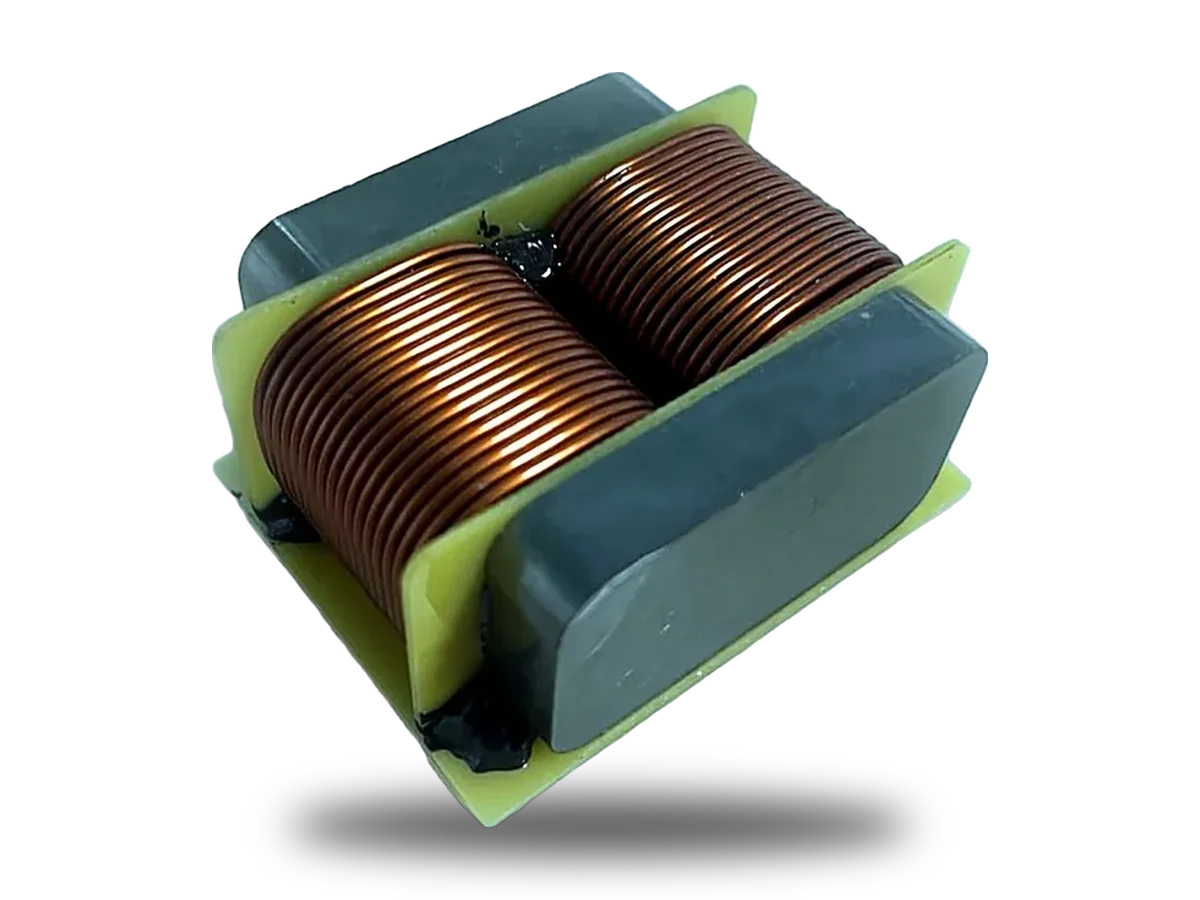
Featuring flat copper wire winding for ultra-low DCR and excellent thermal performance. Designed for EV, energy storage and other high-current applications.
Details →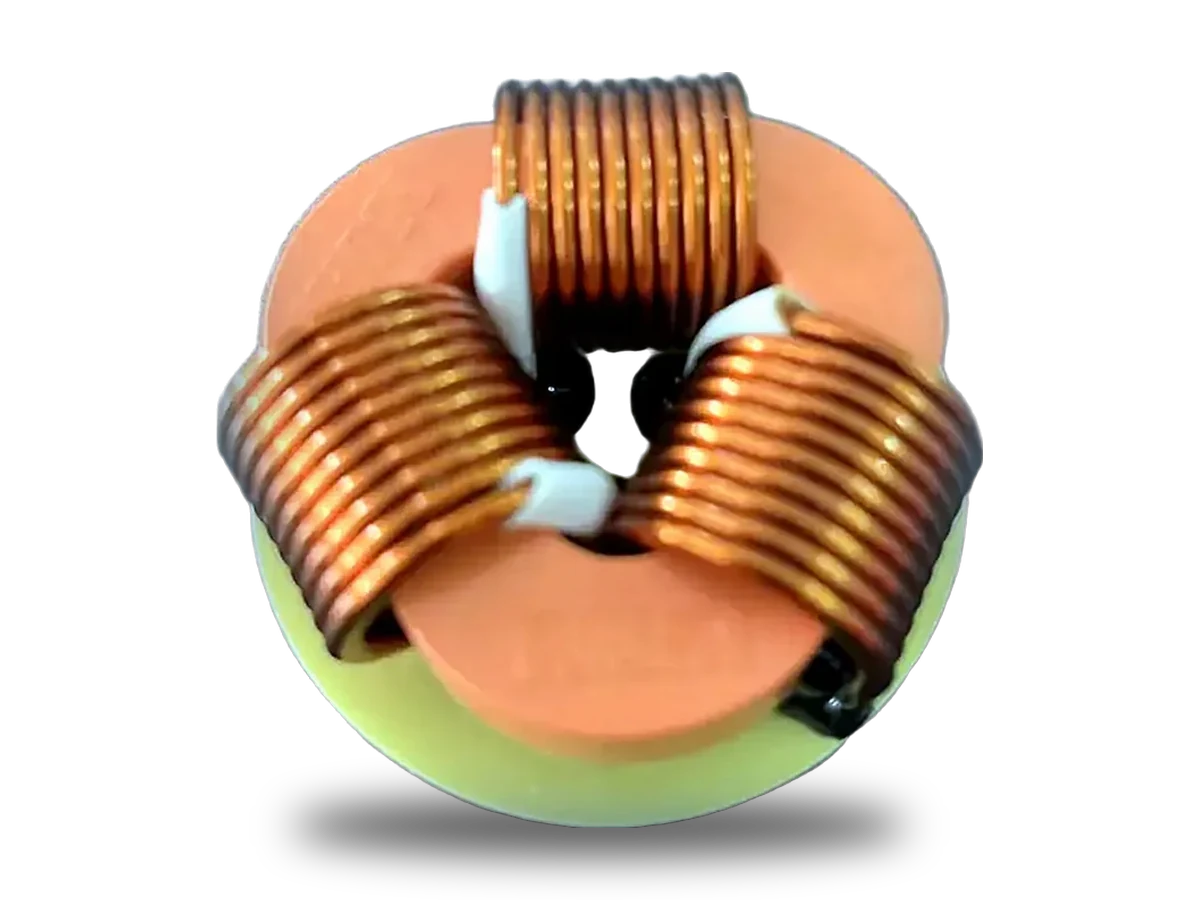
Nanocrystalline core designed for three-phase power systems. Excellent common mode impedance for PV inverters and energy storage converters.
Details →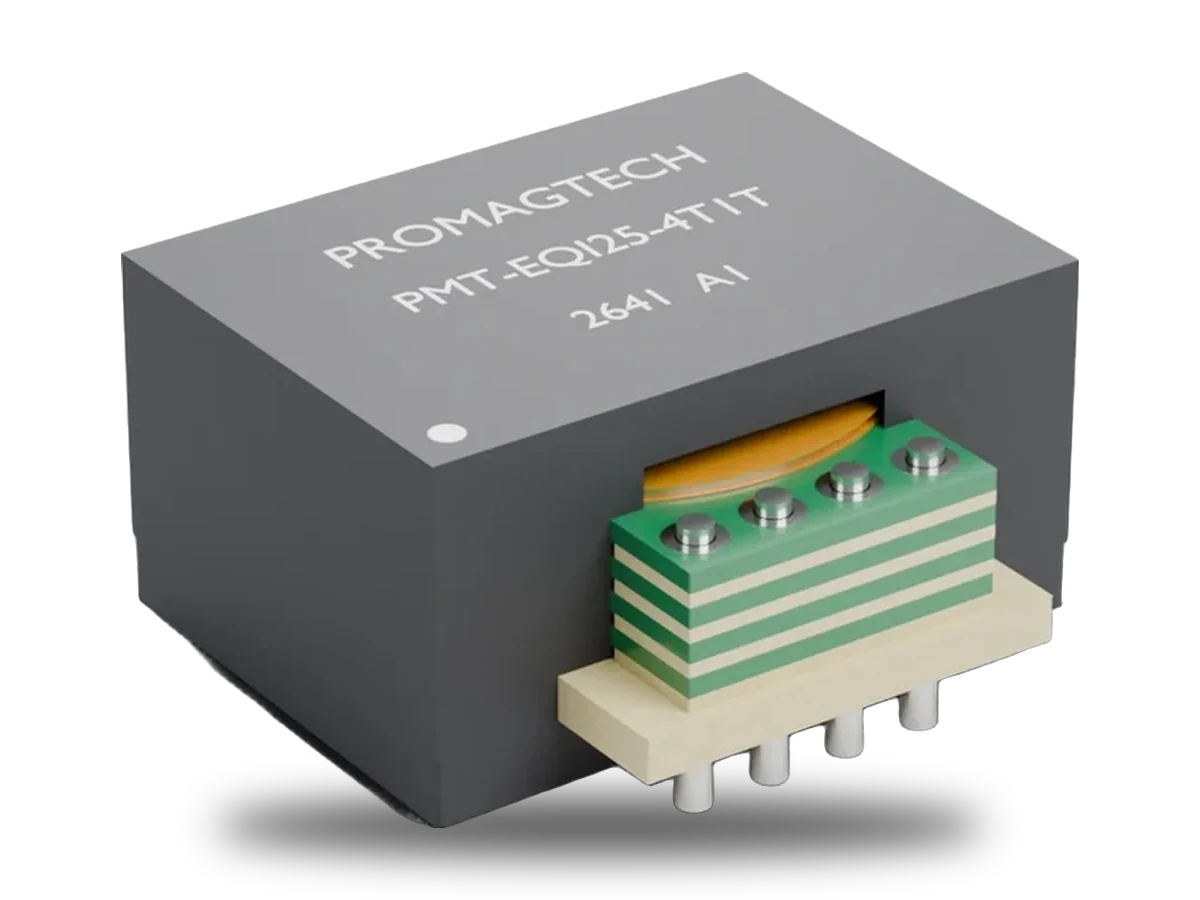
Flat wire winding with ferrite (EQI) core for ultra-high power density. Suitable for LLC, CLLC resonant topologies up to 500kHz.
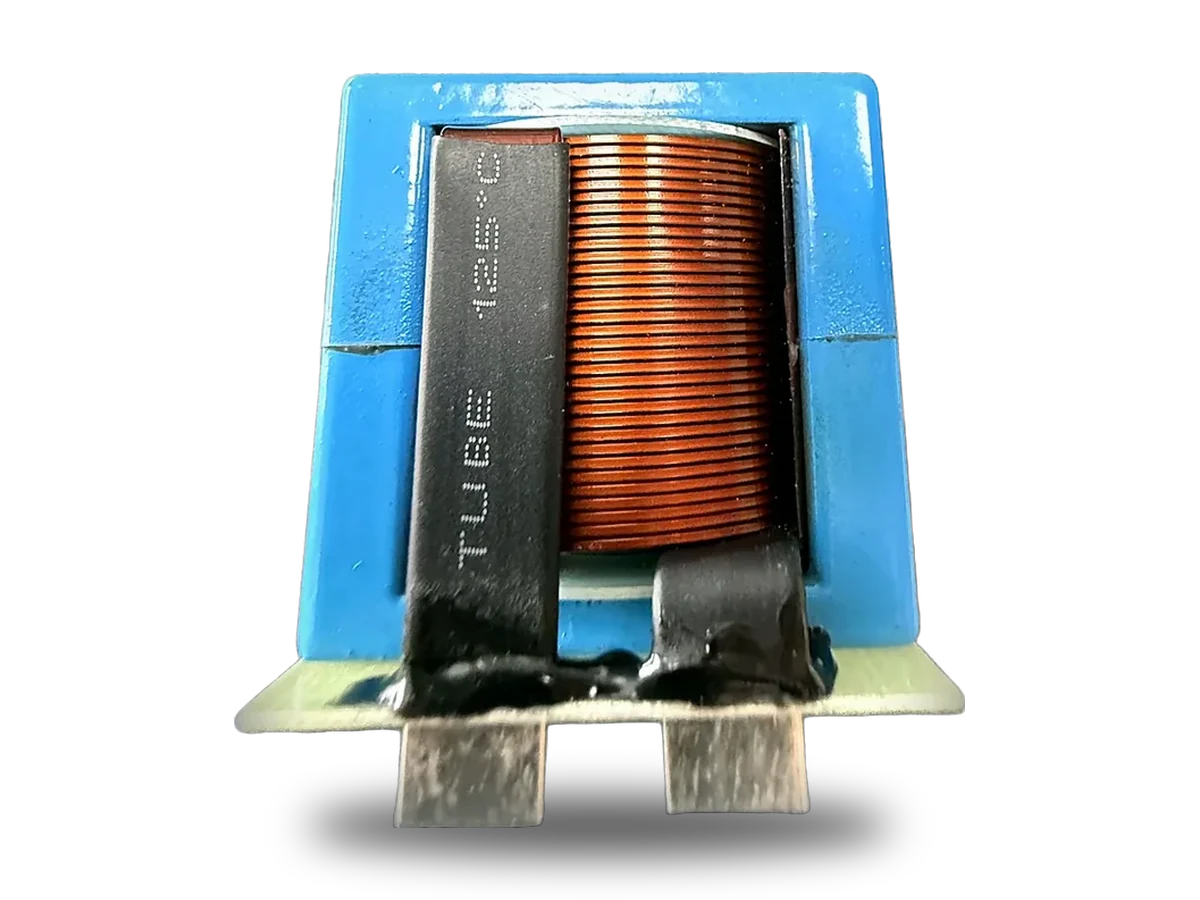
Designed for EV DC charging station PFC circuits with flat wire winding supporting high power output.
Details →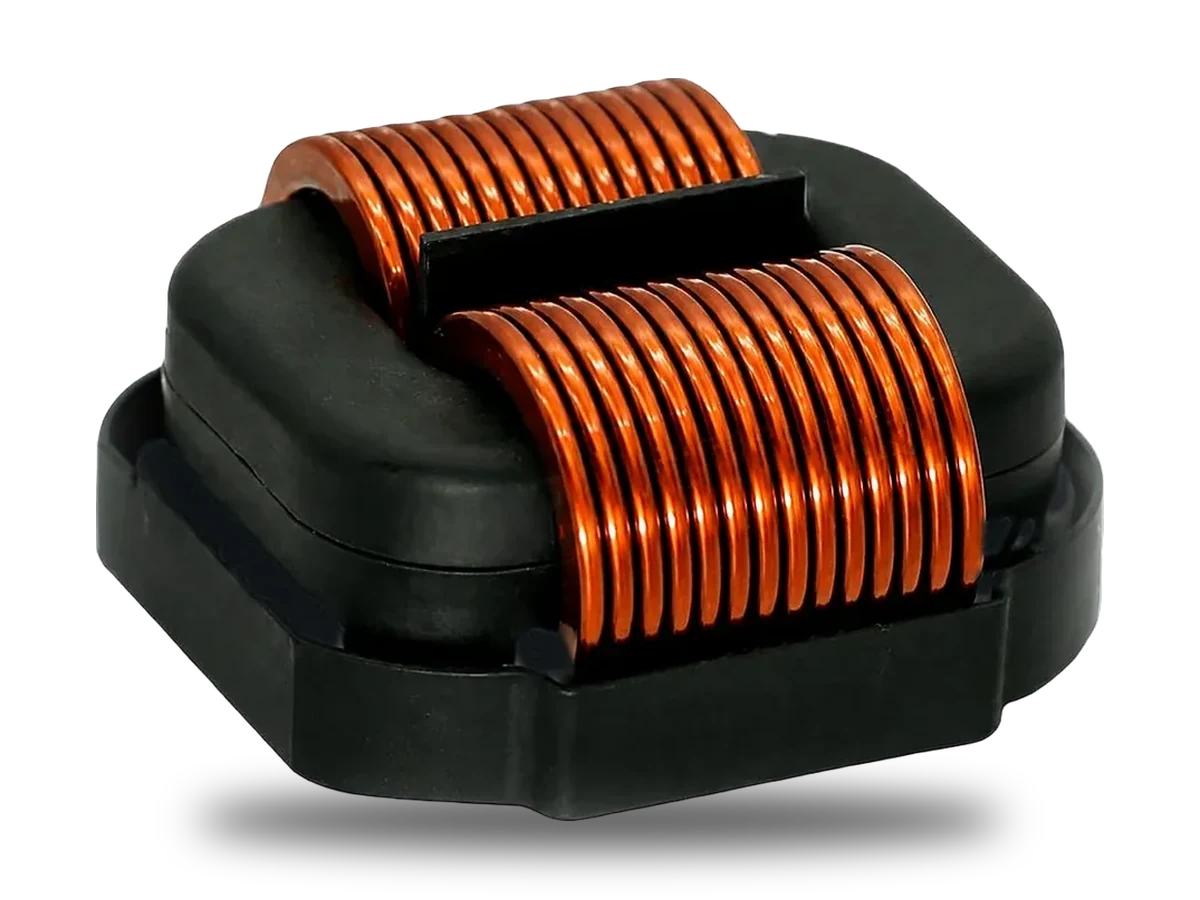
Amorphous core with PCB-mounted winding structure, ultra-thin design for SiC/GaN high-frequency applications.
Details →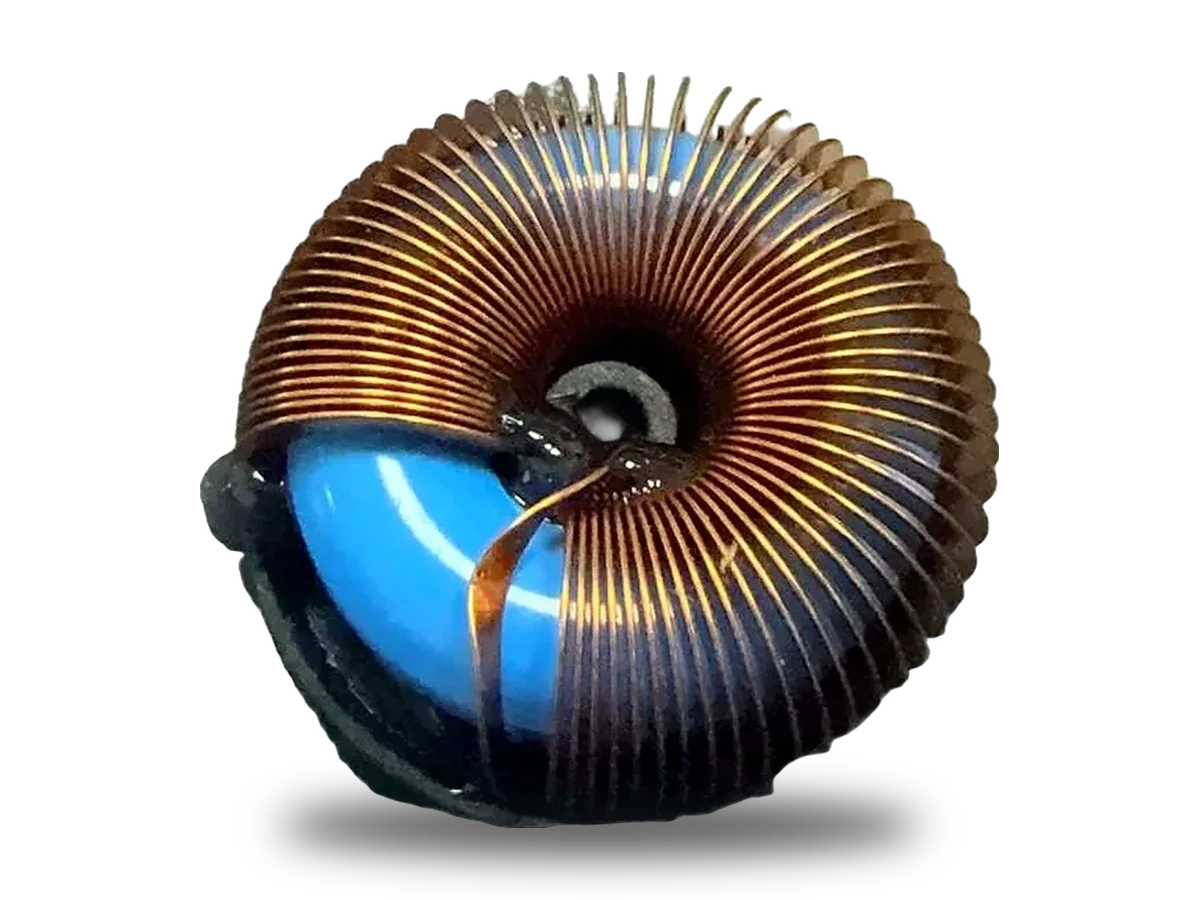
Designed for single-phase/three-phase PFC circuits with low DCR and low temperature rise.
Details →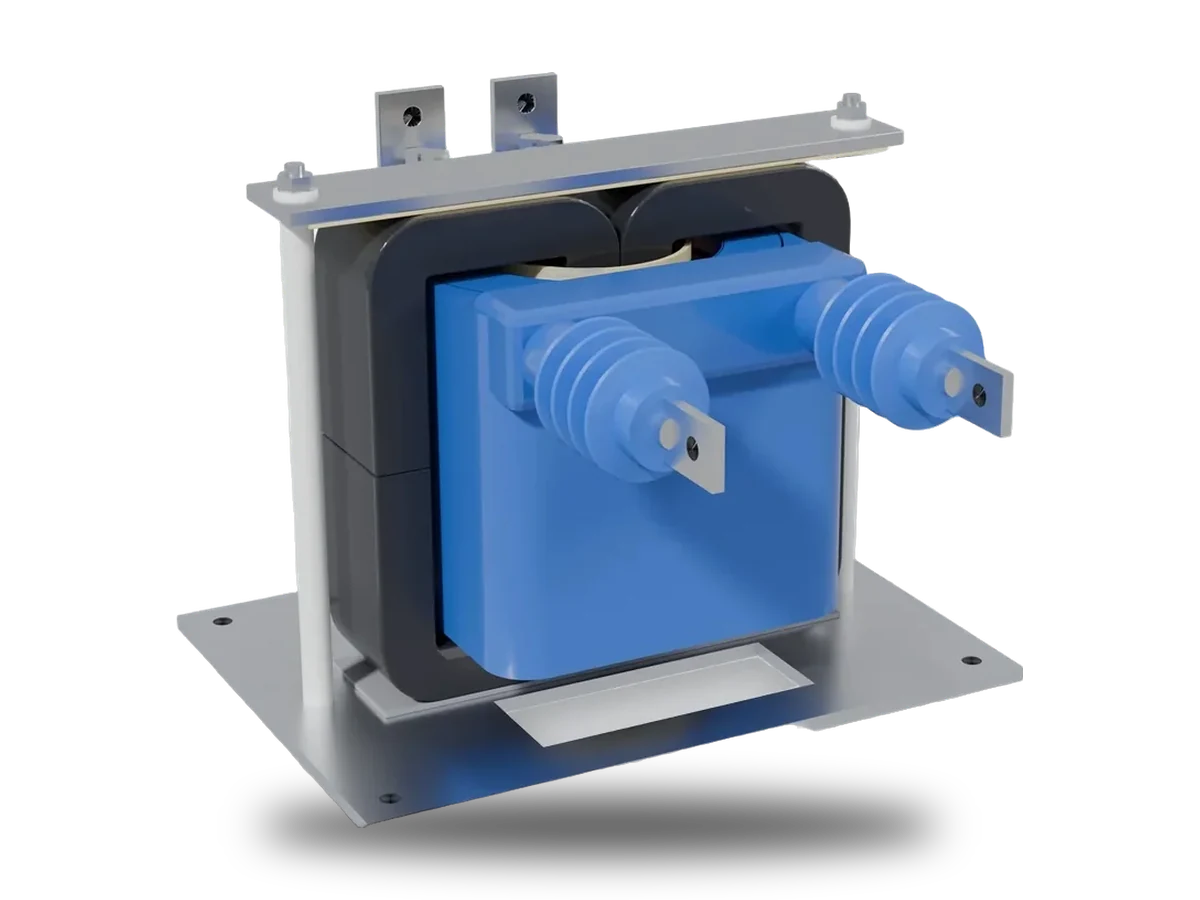
100 kW20 kHzNew Development
Developing the medium-frequency cast-resin transformer
Details →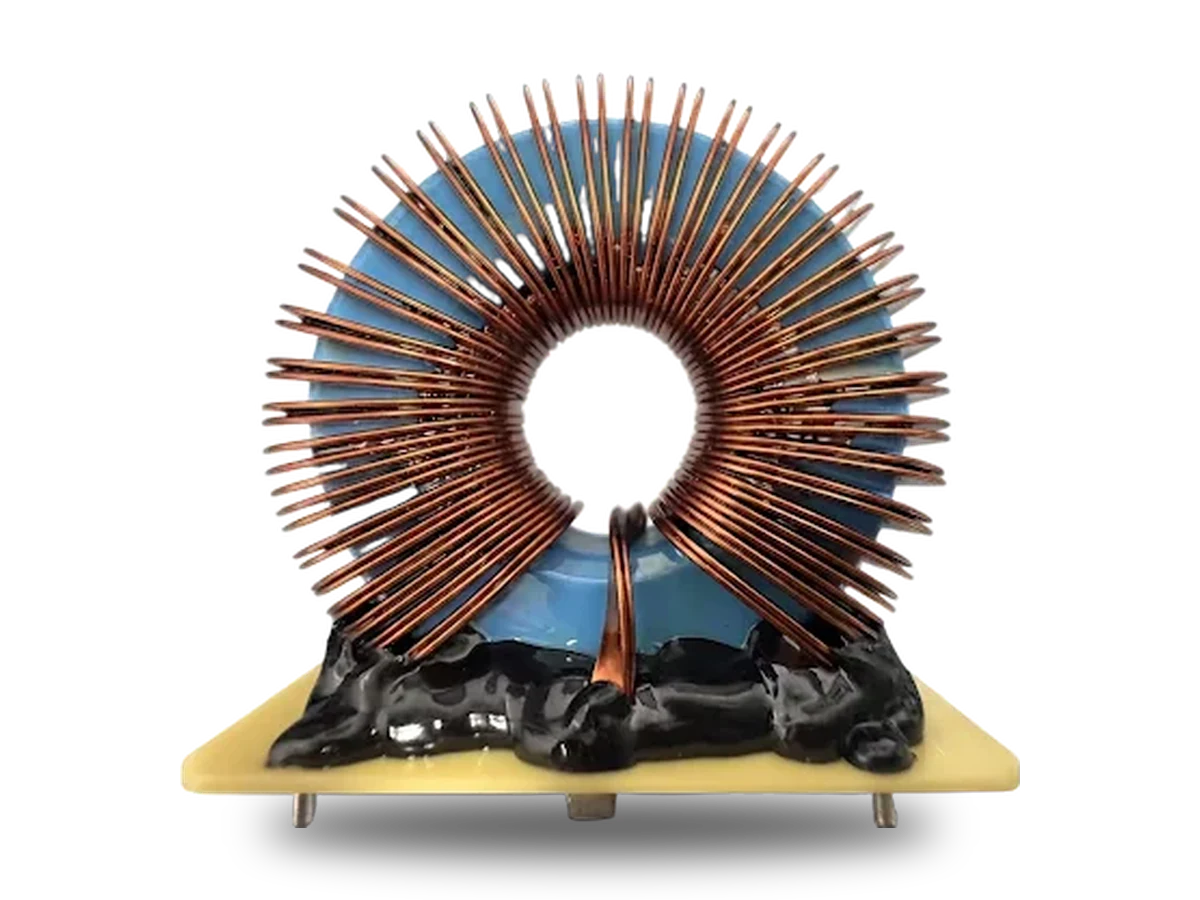
Published custom-design reference with 15.79 mΩ DCR, 10 kHz evaluation data and documented DC-bias inductance at 0 A, 65 A and 91.92 A.
Details →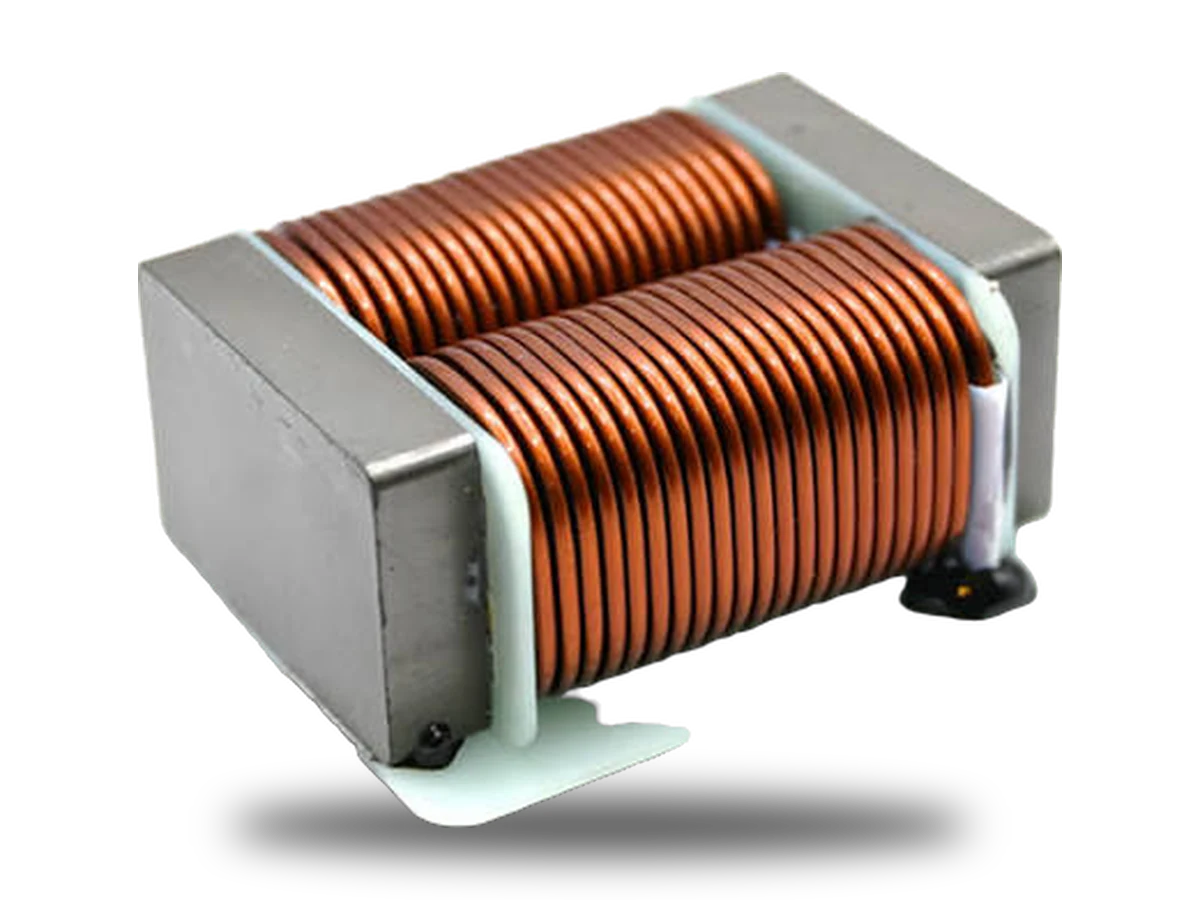
Delivered capability reference for a custom solar energy storage PCS inductor using flat copper wire winding, 120μH inductance, 300A rated current and measured 6mΩ DCR.
Details →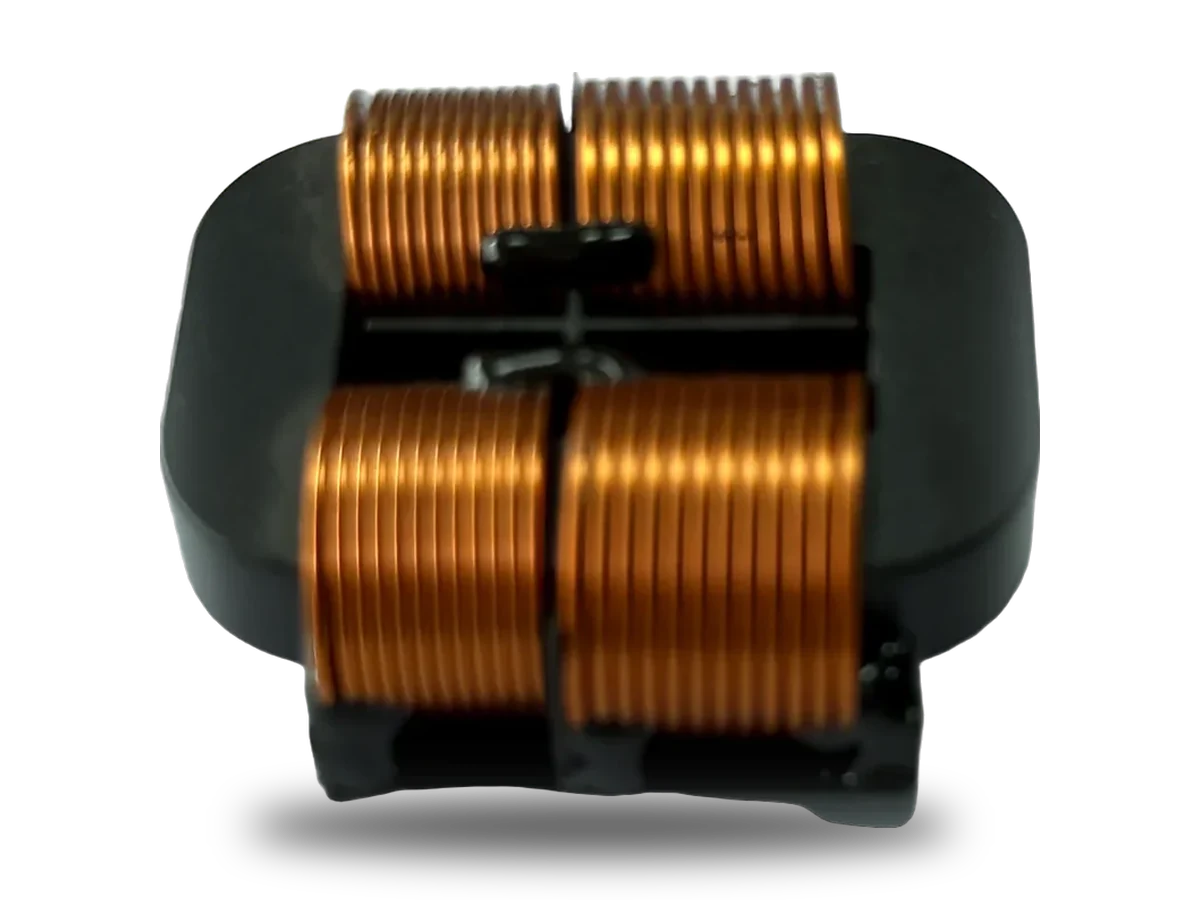
L ≥ 1.2 mH4 × 12T flat wire45.4×42×20.5 mm
Details →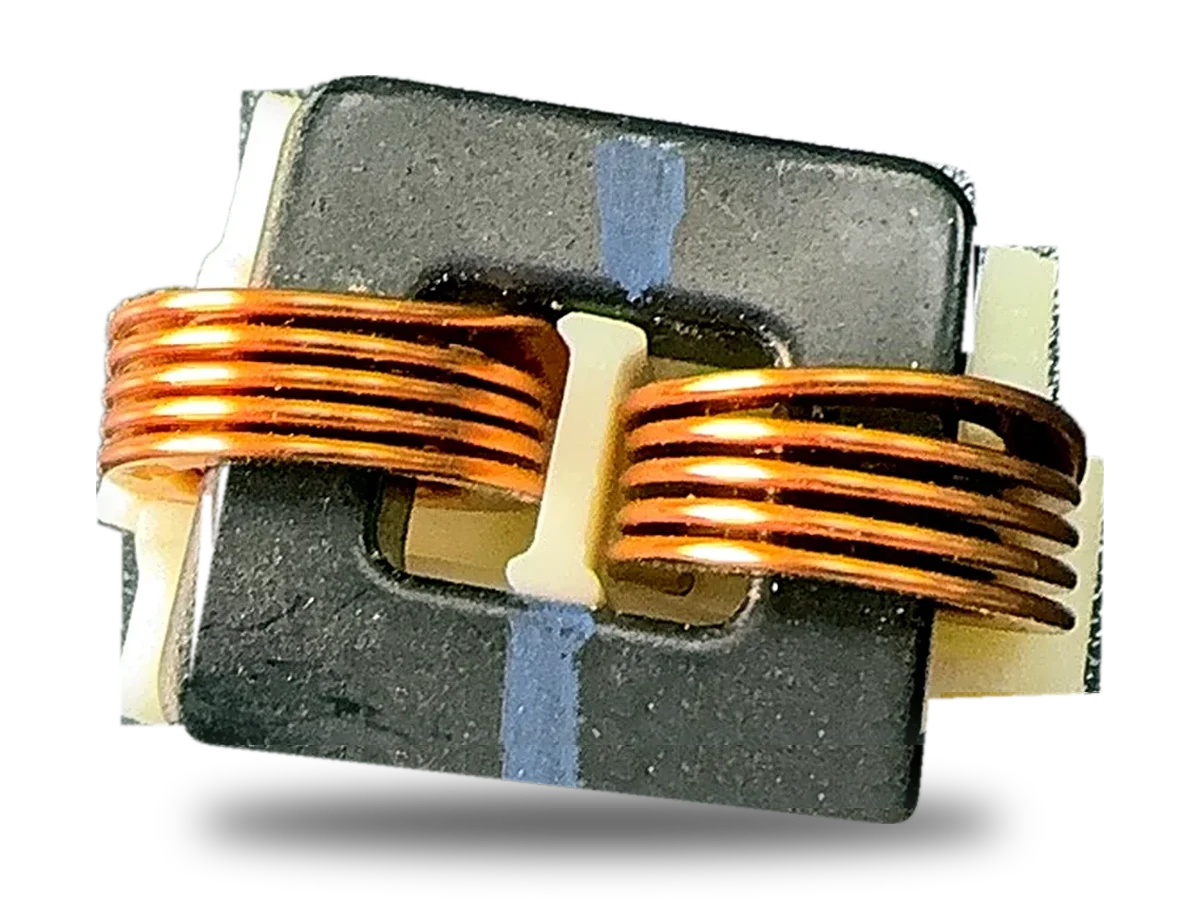
2 × 4.0 µH ±10%Flat wire 1.0×3.0 mm40.5×26×18.5 mm
Details →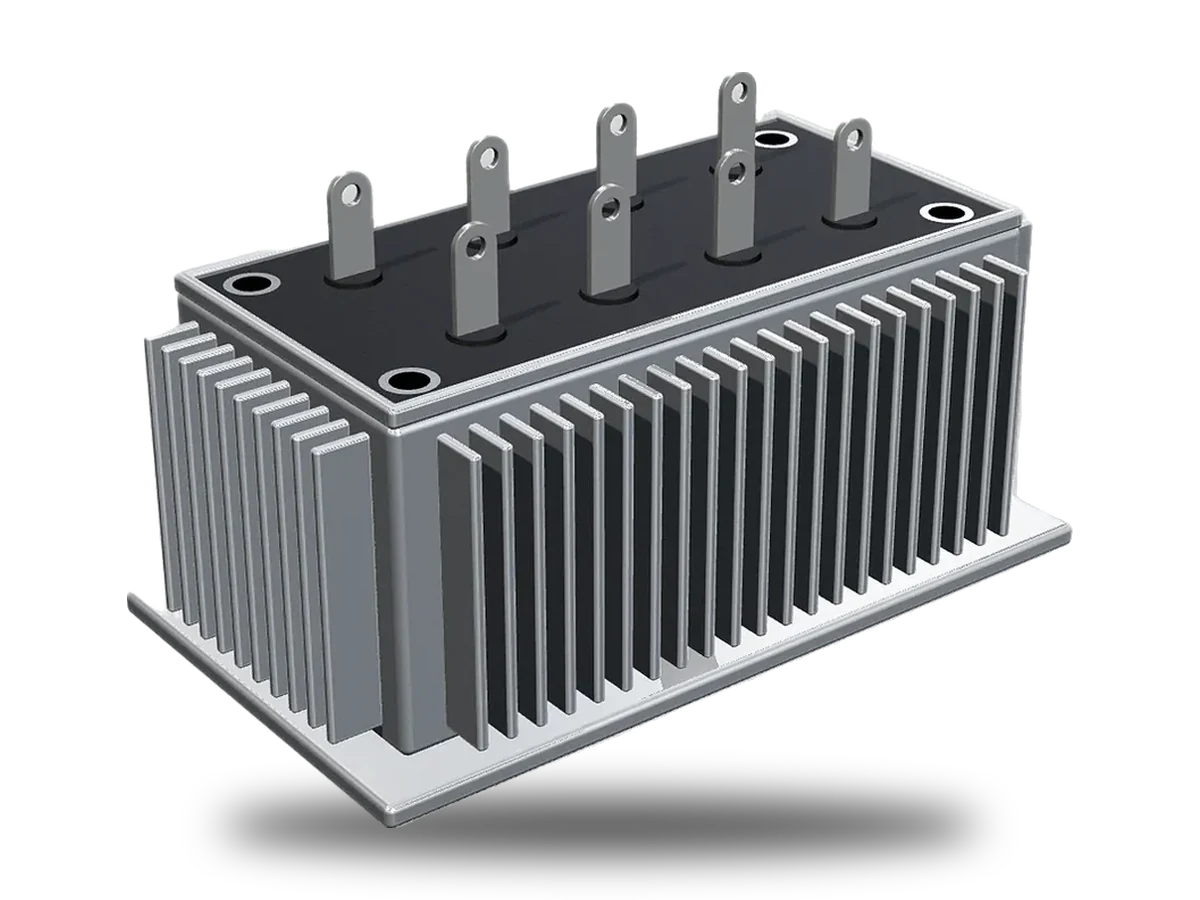
4 × 80 µH ±5%190 A rmsNanocrystalline
Design values. Samples on request.
Details →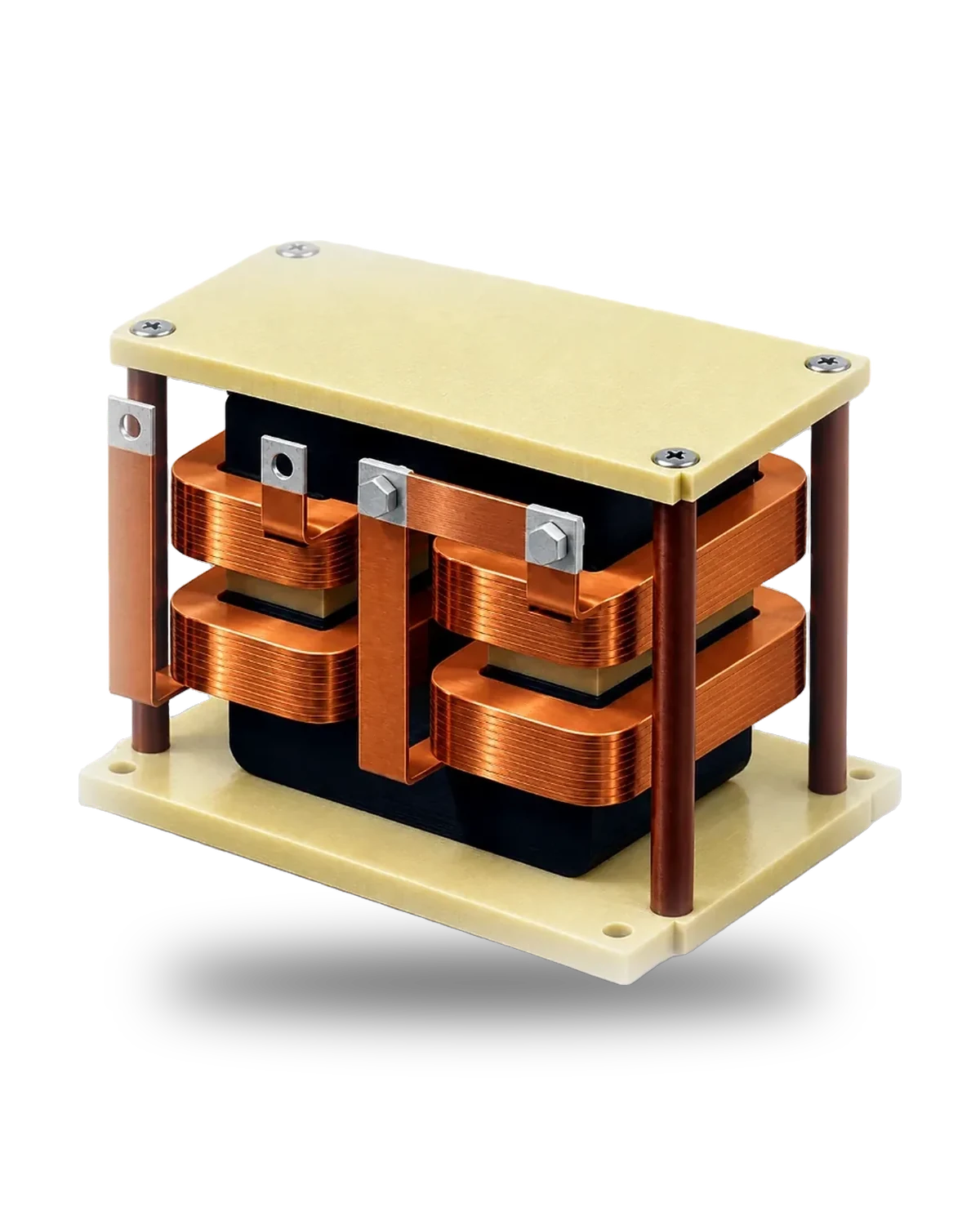
AC/DCPFC3-Phase ViennaFlat wire
Measured values. Samples delivered; in small-batch production.
Details →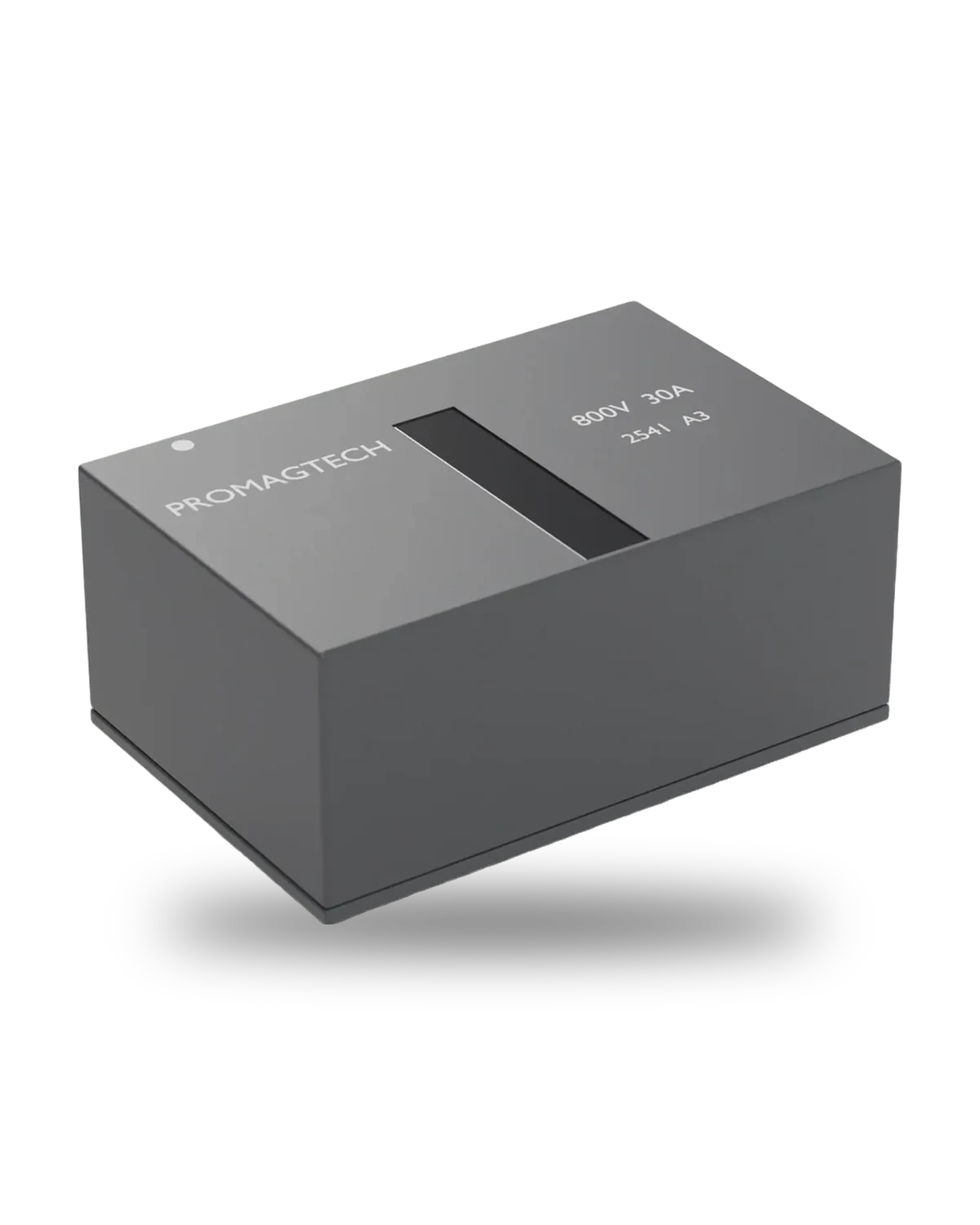
CM + DMEMIFlat wire800 V
Inductance values are 3D-FEM design values; final figures are confirmed on samples.
Details →For more product details: www.promagtech.com/products/
Engineering pages for buyers comparing flat wire inductors, PFC inductors, integrated magnetics and high-current sample-stage design cases.
Review saturation margin, DCR, core loss, thermal structure and validation checkpoints for high-current inductors.
Compare flat wire and round wire winding for DCR, thermal path, saturation behavior and power density.
Selection and calculation notes for charging-station and industrial three-phase PFC inductors.
Review transformer and resonant inductor integration for compact high-frequency power converters.
An anonymized high-current design case covering DC bias, compact envelope and sample-stage checks.
Flat copper wire winding is reviewed against DCR, AC loss, thermal path and DC bias requirements. Final loss and temperature rise must be confirmed by sample test data.
Engineering review starts from converter topology, current waveform, insulation requirements, thermal path and mechanical envelope. Custom design support is documented through project-specific drawings, samples and test records.
Public evidence now includes factory process photos, production equipment photos, finished-product inspection images, product files and redacted inspection records.
Project communication supports overseas buyers in Southeast Asia and other export markets. Published evidence now focuses on process records, inspection scope, product files and engineering review materials.
Custom design review starts from inductance, current waveform, frequency, cooling method and mechanical envelope. Sample timing is confirmed after engineering review.
Inspection scope can cover inductance, DCR, DC bias, leakage inductance, turns ratio, hi-pot and insulation resistance according to the approved sample record.
Covering EV, energy storage, solar, medical devices and more, providing one-stop magnetic component solutions
SHENZHEN PROMAGTECH CO.,LTD was founded in 2013, specializing in R&D, manufacturing, and sales of power magnetic components. Located in Guangming District, Shenzhen, we have modern production facilities and comprehensive quality testing systems.
Our main products include flat wire inductors, planar transformers, common mode chokes, PFC boost inductors, energy storage inductors, and high-frequency amorphous reactors. Our core products feature flat copper wire winding technology and nanocrystalline core materials, offering low DCR, high saturation current density, excellent thermal performance, and high reliability.
Products are widely used in EV OBC (On-Board Chargers), DC-DC converters, EV DC charging stations (20kW-60kW), solar inverters, energy storage converters (PCS), industrial power supplies, and 5G communication power supplies. Product evidence, material declarations, and reliability test scope should be confirmed for each project before qualification.
Company founded, focused on magnetic component manufacturing
Flat wire inductor technology breakthrough, first export to Southeast Asia
Started supporting EV charging and industrial power magnetic component projects
R&D and sample review process expanded
Published process capability, inspection scope and downloadable engineering evidence for buyer review
Company news, industry insights, and technical sharing
Technical team provides initial proposal within 1 business day
Free sample evaluation service available
Strict confidentiality for customer technical data